Welcome to this week’s update on the regulatory landscape for alcohol licensed premises across
England and Wales. As always, we bring you the developments that matter to operators, landlords,
and hospitality professionals—clearly explained
1. Digital Age Verification Set to Transform Alcohol Sales
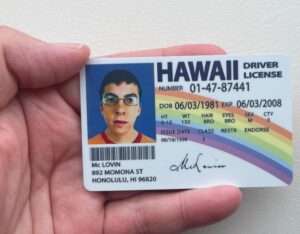
The Home Office is progressing work to permit Digital Verification Services (DVS) as an approved
form of age verification for alcohol sales. This change—currently being shaped into secondary
legislation—would allow certified digital identity providers to replace or complement physical ID
checks.
The government is examining requirements around fraud prevention, data integrity, and verification standards, including ensuring digital identities meet at least a “medium level of confidence” within the UK Digital Identity & Attributes Trust Framework.
What this means for operators:
If implemented, DVS could streamline ID processes, reduce confrontation risks at the point of sale,
and align alcohol retail with other emerging digital identity systems. We’ll keep you updated as draft legislation is published.
2. Government Licensing Reforms: Industry Optimism Meets Public Health Concerns
Recent government proposals to “modernise” and “streamline” alcohol licensing continue to
generate widespread debate.
Public health researchers have raised concerns that policies aimed at supporting economic
growth—such as longer opening hours and easier licence acquisition—may come at the expense of
community health and local democratic oversight.
Key issues being scrutinised include:
- A new National Licensing Policy Framework, shifting more decision making power to
central government officials.
- Proposed introduction of a fifth licensing objective: promotion of economic growth.
- Concerns that reforms could weaken local authorities’ ability to manage cumulative impact
zones.
What this means for operators:
While many in the sector welcome efforts to cut red tape, there may be longerterm implications for
compliance obligations and stakeholder scrutiny. Operators should follow developments closely as
the government prepares its next steps.
3. Local Licensing Policy Reviews: Have Your Say
Several local authorities are updating their Statements of Licensing Policy for the 2026–2031 cycle.
Isles of Scilly – Consultation Open Until 27 February 2026
The Council has launched a full review of its Licensing Policy and is inviting responses from all
stakeholders.
Source: [scilly.gov.uk]
Guildford Borough Council – Policy Update in Progress
Guildford is preparing its new Licensing Policy (2026–2031) for public consultation. The draft
emphasises sustainability, balanced decision making, and strong promotion of the four licensing
objectives.
Source: [democracy….ord.gov.uk]
Why this matters:
Local licensing policies influence opening hours, conditions, cumulative impact zones, enforcement, and more. Businesses operating in these areas should review and respond to consultations to ensure their interests are represented.
4. Alcohol Duty Increase Now in Force (from 1 February 2026)
A key fiscal change this week: alcohol duty has risen by 3.66% in line with RPI, affecting all
categories of alcohol.
Examples include:
- Duty on a 40% ABV 70cl bottle of spirits now stands at £9.52 (up 34p).
- Draught products also increase under the revised RPI linked rates.
What this means for your venue:
Expect supplychain adjustments and consider reviewing your pricing strategy to maintain margins.
Premiumisation may become even more attractive to consumers as relative differences in duty
become more pronounced.
Stay Informed, Stay Compliant.
If you need anything to do with Alcohol Licensing, why not be like our other satisfied customers and drop us an email or give us a call on 01432 700 024?
Click here to arrange your FREE consultation at a time that suits you!
Pst – if you like this, why not check out The Licensing Guys extensive knowledge base which is full to the brim with useful, practical or educational information on all things Alcohol Licensing.