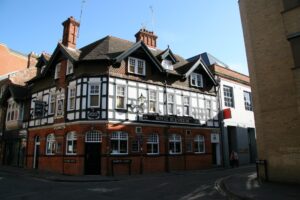
The origins of modern UK alcohol licensing laws are closely tied to concerns during World War I, particularly around munitions workers and alcohol consumption. Here’s a breakdown of the historical context and whether there’s evidence of drunken workers causing explosions:
Why Licensing Legislation Was Enacted:
Licensing legislation was by no means a new concept at the outbreak of World War One – for example the Licensing Act 1872. However the Defence of the Realm Act (DORA), introduced in 1914, gave the UK government sweeping powers to control many aspects of civilian life during wartime. One of its key concerns was alcohol consumption, especially among workers in critical industries like munitions manufacturing.
David Lloyd George, then Chancellor of the Exchequer and later Minister of Munitions, famously declared: “We are fighting Germany, Austria and drink, and so far as I can see the greatest of these deadly foes is drink.”
The government feared that drunkenness was reducing productivity and increasing the risk of accidents in munitions factories. This led to:
- Restricted pub opening hours
- Watered-down beer
- The “No Treating Order” (banning buying rounds)
- State control of pubs in key areas like Carlisle and Gretna (the “Carlisle Experiment”)
So, Were There Explosions Caused by Drunken Workers?
There were numerous deadly explosions in munitions factories during WWI, including:
- Silvertown (1917) – 73 killed, 400 injured
- Faversham (1916) – 108 killed
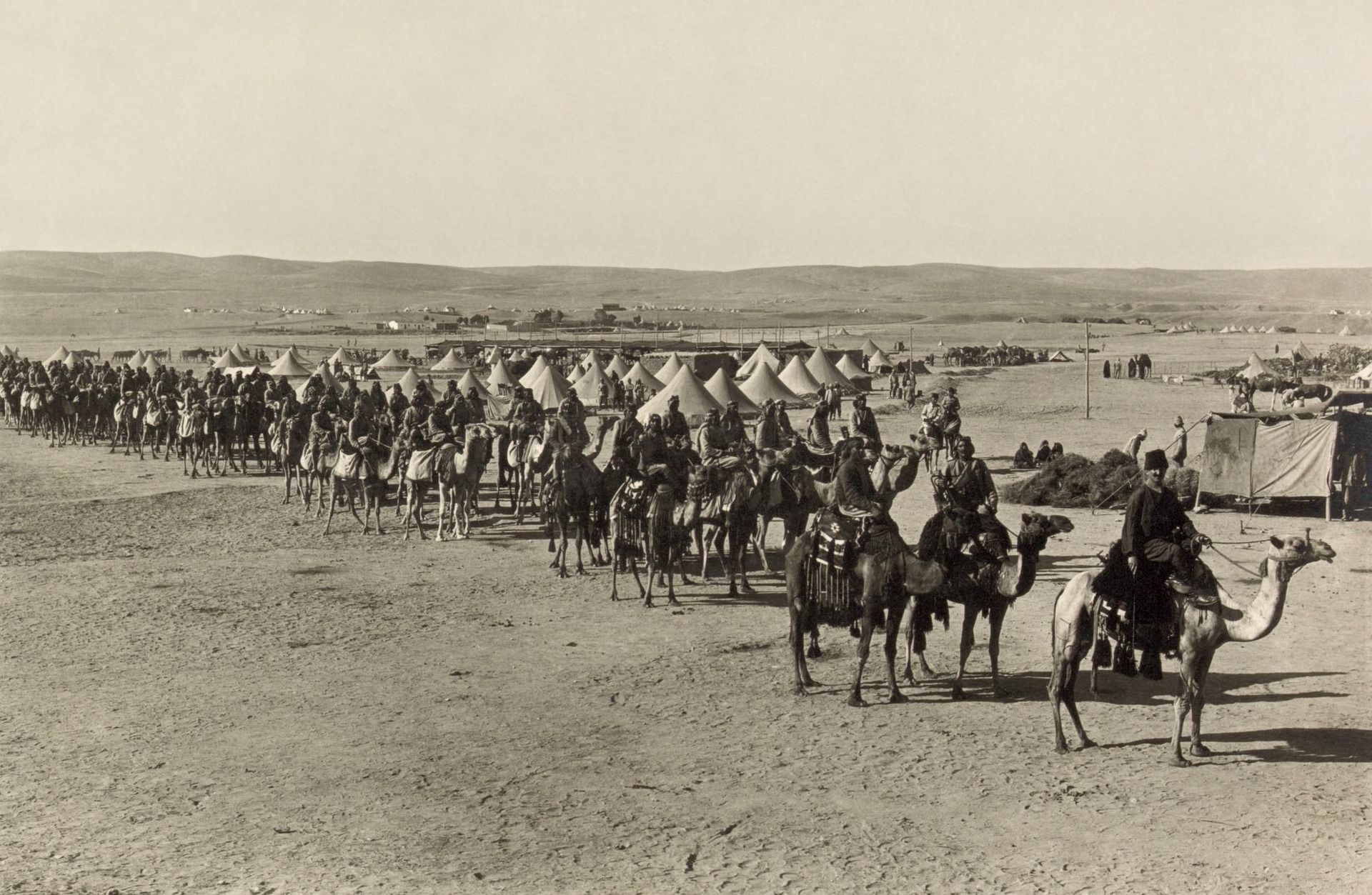
- Chilwell (1918) – 134 killed (shown in the photo below)
However, there is no direct evidence that these explosions were caused by drunkenness. The main causes were the Inexperience of the rapidly recruited workforce, poor safety standards, highly volatile materials like TNT and amatol and overcrowded or poorly designed facilities.
In fact, official investigations and historical records attribute these accidents to technical failures, unsafe conditions, and human error, but not specifically to alcohol consumption.
Summary:
Licensing laws were tightened during WWI to reduce alcohol consumption among munitions workers. The government feared that drunkenness would harm productivity and safety. However, while explosions did occur, there is no documented evidence that they were directly caused by drunken workers. Thus the measures were preventative, based on perceived risk rather than proven incidents.