
For much of the modern pub era, cider occupied an awkward middle ground on the bar. It was rarely the drink that defined a venue, nor the first product operators thought about when designing their range. More often than not, cider was an additional extra — a single tap or a couple of bottles kept largely to satisfy one or two regulars, or to offer a sweet alternative when beer wasn’t the right fit.
Fast forward to today, and that picture has changed dramatically. In 2025 and 2026, cider has become one of the most dependable repeat‑purchase categories in the UK on‑trade, delivering consistency, loyalty and value at a time when many other alcohol categories are under pressure.
Traditionally, cider sat behind the bar as a “nice to have” rather than a commercial cornerstone. Most pubs stocked a single mainstream apple cider, often poured reluctantly, with little emphasis on range or quality. In many venues, cider existed to plug a gap between beer and alcopops, with limited thought given to premiumisation or food pairing.
This legacy perception lingered well into the 2010s. Beer dominated space, wine drove food spend, and spirits provided margin. Cider, despite deep British roots, was often overlooked — particularly in urban and wet‑led pubs.
The transformation of cider from ‘add‑on’ to ‘essential’ hasn’t come from hype, but from repeat behaviour.
According to Heineken’s Cider Report 2025, cider is now worth £2 billion annually to UK pubs, bars and restaurants, making it the second most popular alcoholic drink by volume in the on‑trade, behind beer. Across 2024 alone, 342 million pints of cider and 114 million bottles were sold in UK venues.
Crucially, this growth is not driven by one‑off trial or novelty drinking. Cider is now generating one of the highest serve‑per‑occasion averages of any long alcoholic drink. Latest UK data shows cider consumers averaging 3.2 serves per visit, almost matching beer at 3.3 and comfortably ahead of cocktails at around 2.3.
That repeat purchasing behaviour is what has shifted cider’s role behind the bar.
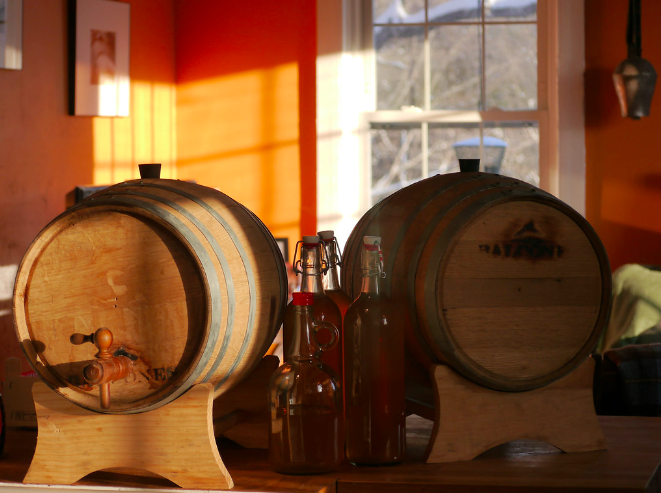
Image Credit: “Cider barrels” by grongar is licensed under CC BY 2.0.
One of the clearest signs of cider’s evolution is the rise of draught.
Draught cider now accounts for approximately 77% of all on‑trade cider sales by volume, representing around £1.4 billion in annual value to hospitality. On average, cider alone is worth £21,500 per year per outlet, a striking figure for a category once viewed as peripheral.
Unlike rotational craft beer or short‑lived trends such as hard seltzer, draught cider has proven to be a steady, repeat‑led purchase, particularly among 30–50‑year‑old consumers who value familiarity and sessionability.
Perhaps the most important shift is that cider has managed to premiumise without losing loyalty.
While overall alcohol volumes have softened across the on‑trade, cider value sales have continued to rise. In 2024, cider’s value grew by around 5% over two years, even as total on‑trade drinks volumes remained flat.
This has been driven by:
Notably, 28% of cider sales come from the fridge, compared with just 8% of beer, highlighting cider’s strength as a considered, repeat purchase rather than an impulse add‑on. [pubandbar.com]
One of the defining changes in cider’s modern role is its compatibility with food.
More than 40% of cider occasions in pubs now take place while guests are eating, a figure that would have been unthinkable a decade ago. This reflects cider’s positioning as a clear, refreshing alternative to wine or lager, particularly with burgers, roasts and casual dining.
This flexibility means cider is no longer confined to summer terraces or wet‑led occasions — it has become a year‑round, multi‑occasion drink, reinforcing its repeat credentials.
In a period where many categories rely on constant innovation to stay relevant, cider’s success story is rooted in dependability.
Industry research shows that cider now accounts for around 9% of total wet sales volume in the on‑trade and has delivered the largest increase in serves per occasion of any major drinks category in the last year, up nearly 19%.
This makes cider one of the most reliable categories behind the bar at a time when operators are seeking:
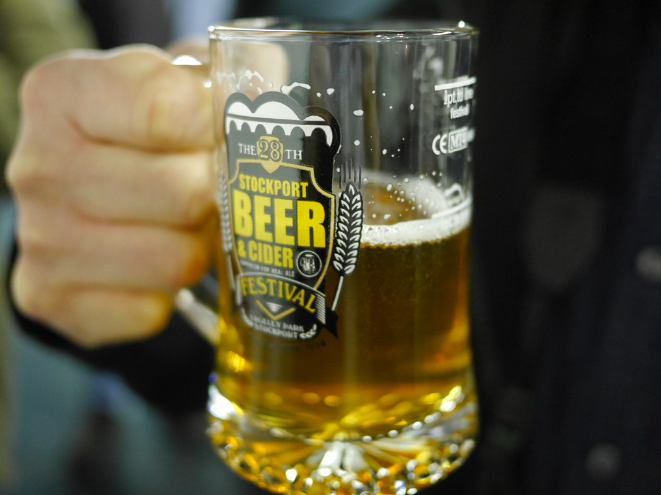
Image Credit: “Beer And Cider Festival” by Smabs Sputzer (1956-2017) is licensed under CC BY 2.0.
Cider’s journey from “extra” to essential reflects a broader shift in pub economics. What was once a token offering has become a core, repeat‑driven category that delivers consistency in an increasingly unpredictable trading environment.
For operators, the lesson is clear. Cider is no longer just something to have. It is something to invest in, range properly and rely upon — because today, few drinks on the bar work harder or return more consistently than cider.
As cider continues to cement its position as a core, repeat‑purchase category, operators and producers alike must ensure that growth is underpinned by robust licensing and compliance practices. From correct authorisation under the Licensing Act 2003, to clearly defined operating schedules covering alcohol sales, outdoor areas and events, cider’s increased prominence on the bar means it is now more likely to sit at the heart of licence reviews, variations and enforcement scrutiny. Trading Standards expectations around product description, ABV clarity, age‑verification policies and responsible retailing apply just as firmly to cider as to any other alcoholic category — and, as cider ranges expand and premiumise, compliance becomes a commercial safeguard rather than a bureaucratic afterthought.
In response to this evolving landscape, we continue to work closely with pubs, bars, producers and trade bodies to provide practical licensing and regulatory support that reflects how cider is actually sold and consumed today. We are also pleased to confirm that members of the Three Counties Cider and Perry Association (TCCPA) are eligible for a preferential discount on our professional services, recognising the Association’s contribution to heritage, quality and best practice within the cider and perry sector. As cider moves from “extra” to essential, proactive compliance is what allows the category to grow with confidence — protecting both its reputation and its long‑term value to the trade.
If you need anything to do with Alcohol Licensing, why not be like our other satisfied customers and drop us an email or give us a call on 01432 700 024?
Click here to arrange your FREE consultation at a time that suits you!
Book FREE 15 Minute Consultation
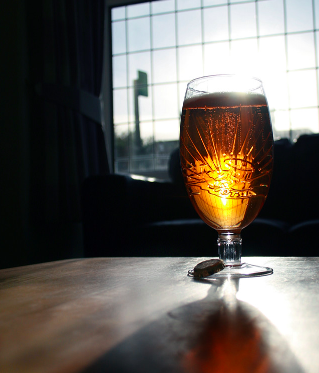
Feature image credit: “Cider” by Richard ‘Tenspeed’ Heaven is licensed under CC BY 2.0.