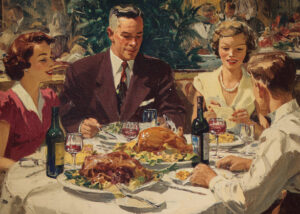
A substantial table meal is a concept used in alcohol licensing to determine whether alcohol can be served in certain circumstances – particularly where alcohol must be ancillary to food. While not defined precisely in the Licensing Act 2003, the term has been shaped by case law, licensing policy, and government guidance.
Legal Background:
The term gained prominence during the COVID-19 pandemic, when regulations required pubs in certain tiers to serve alcohol only with a “substantial meal”. Although the regulations used terms like “main meal” or “table meal”, the idea of a substantial meal was widely discussed and interpreted in line with the conditions commonly found on Restaurant style Licences.
Case Law Examples:
In Soloman v Green (1955), the High Court ruled that sandwiches and sausages on sticks could constitute a meal.
In Timmis v Millman (1965), sandwiches with pickles and beetroot were deemed substantial enough to qualify as a table meal, not just a snack.
Licensing Interpretation:
Local authorities often interpret a substantial meal as:
- A plated meal eaten while seated at a table.
- Something more than a snack, such as a full breakfast, main lunch, or evening meal.
Items like crisps or nuts alone would not qualify, but “high-end crisps” with elaborate dips were controversially accepted in one Westminster case.
Underage Drinking Exception
Under the Licensing Act 2003, 16- and 17-year-olds may consume beer, wine, or cider with a table meal, provided they are accompanied by an adult. This exemption is the subject of another Briefing Sheet from The Licensing Guys.
Summary:
A substantial table meal is generally understood to be:
- A main course-style dish, eaten while seated.
- Something that would reasonably be considered a meal, not a snack.
- A key factor in determining whether alcohol can be served in certain regulated contexts.