The Licensing Act 2003 establishes a framework for regulating activities such as the sale of alcohol, provision of entertainment, and late-night refreshment in England and Wales. To carry out these activities legally, individuals and businesses must obtain the appropriate licence. There are four main types:
1. Premises Licence
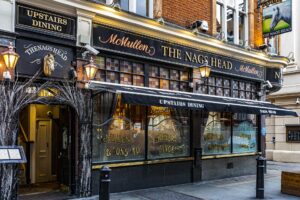
This Licence allows a specific location – such as a pub, restaurant, nightclub, or shop – to carry out licensable activities. It sets out the Conditions under which the premises can operate, including hours of operation and permitted activities. Applications are made to the local Licensing Authority and are subject to consultation with the public and Responsible Authorities.
2. Personal Licence
Required for individuals who wish to authorise the sale of alcohol at Licensed Premises. A Personal Licence Holder must meet certain criteria, including passing a recognised qualification and undergoing a criminal record check. This licence is ‘portable’ in that it is not tied to a specific premises.
3. Club Premises Certificate
Not actually a Licence but actually a Certificate. Designed for qualifying members’ clubs (e.g., sports clubs, social clubs), this certificate allows the supply of alcohol and provision of entertainment to members and their guests. Unlike a Premises Micence, it does NOT require a Designated Premises Supervisor.
4. Temporary Event Notice (TEN)
Again not actually a Licence but rather a Notice. A streamlined process for hosting one-off events involving licensable activities, such as festivals, weddings, or pop-up bars or for extending the activities of a pre-existing Premises Licence for special events e.g. staying open later on New Year’s Eve. TENs are limited in duration and frequency, and must be submitted to the Local Authority with at least 10 or 5 clear working days’ notice.
Each Licence, Certificate or Notice serves a distinct purpose and comes with its own application process and responsibilities.